Mulia: A Script Font for Real Projects
As a designer who’s spent years working with typefaces across various mediums, I’ve come to appreciate fonts that not only look good but also perform well in real-world applications. Mulia, part of the Script Amp collection, is one such font that deserves a closer look. It’s not just another script—it’s a versatile tool that can elevate a wide range of design projects.
The First Impression of Mulia
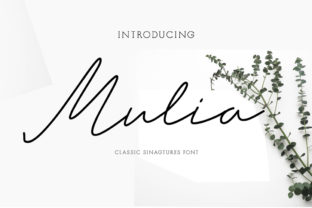
Mulia immediately conveys a sense of elegance and warmth. The fluidity of its strokes and the subtle variations in weight give it a handcrafted feel without appearing too informal. It has a soft, inviting personality that works well for brands looking to communicate approachability and creativity.
Its character set is well-balanced, with a mix of traditional and modern elements. The lowercase letters have a gentle curve, while the uppercase letters maintain a strong presence. This duality makes Mulia adaptable to both refined and casual designs.
Real-World Performance of Mulia
In logo design, Mulia adds a personal touch that can make a brand stand out. It’s ideal for businesses in the lifestyle, fashion, or artisanal sectors where a human element is important. However, it’s not the best choice for high-end luxury brands that require a more rigid, structured look.
For brand identity, Mulia can be used as a secondary font to add visual interest. When paired with a sans serif or serif font, it creates a dynamic contrast that enhances readability and hierarchy. It’s particularly effective in editorial design, where it can serve as a headline or subheading to draw attention.
Packaging design benefits from Mulia’s organic flow, especially for products that aim to evoke a handmade or artisanal vibe. On product labels, it adds a touch of sophistication that complements natural or eco-friendly branding. But it’s important to test it at different sizes to ensure clarity, especially on small packages.
In posters, flyers, and invitations, Mulia shines as a display font. Its expressive strokes make it perfect for short phrases, quotes, or decorative accents. However, using it for long blocks of text can reduce legibility, so it’s best reserved for headlines or key messaging.
Merchandise like t-shirts, mugs, or stickers can benefit from Mulia’s unique character. It adds a personal, artistic flair that appeals to creative audiences. For website headers and blog graphics, it’s a great choice when used sparingly, as it can enhance visual storytelling without overwhelming the layout.
Social media graphics and digital ads are another area where Mulia excels. Its visual appeal makes it ideal for eye-catching posts, banners, or promotional materials. But again, it’s important to consider how it scales on different platforms and screen sizes.
Printable design and Canva templates can leverage Mulia’s charm to create visually engaging content. Cricut projects and other DIY applications also benefit from its fluidity, making it a go-to choice for crafters and digital sellers.
Where to Use Mulia Carefully
While Mulia is a powerful tool, it’s not suited for every situation. Large headlines may become too ornate, especially if the message needs to be read quickly. Short phrases work best, as longer text can lose clarity and impact.
Brand marks and logos that rely on minimalism may not benefit from Mulia’s complexity. Similarly, premium packaging that requires a clean, modern look might be better served by a more restrained typeface.
Social posts that need to be skimmed should avoid overusing Mulia. It can be a great accent, but it shouldn’t dominate the visual hierarchy. Supporting text, such as captions or footnotes, is not ideal for this font due to its decorative nature.
Impact on Readability and Brand Perception
Mulia’s readability depends heavily on context. At larger sizes, it’s highly legible and visually engaging. However, at smaller sizes, especially in body text, it can become difficult to read. Designers should always test it in black and white to see how it performs without color enhancements.
When used correctly, Mulia contributes to a strong brand identity. It helps establish a consistent visual language that resonates with the target audience. Its warm, expressive nature can build trust and recognition, especially for brands that want to feel more personal and authentic.
From a professional standpoint, Mulia adds a layer of creativity to any project. It’s a great example of modern typography that bridges the gap between tradition and innovation. Its versatility makes it a valuable addition to any designer’s toolkit.
Practical Designer Notes
Before finalizing Mulia for a project, I recommend testing it on real mockups. See how it looks in different formats—print, web, social media—and under varying lighting conditions. Pay attention to spacing and how it interacts with other elements on the page.
Compare it with uppercase and lowercase versions to understand how it behaves in different contexts. Also, try pairing it with serif, sans serif, script, or handwritten fonts to find the best combinations. Each pairing will highlight different aspects of Mulia’s character.
Lastly, always confirm the commercial licensing before using it in client work or business projects. A premium font like Mulia can be a powerful asset, but it’s important to ensure you have the right to use it across all intended platforms.
Final Thoughts on Mulia
Mulia is more than just a pretty script—it’s a thoughtful typeface designed for practical use. It brings a human touch to digital and print projects, making it a valuable choice for designers, marketers, and brand owners. Whether you’re creating a logo, designing packaging, or crafting social media content, Mulia offers a unique blend of style and functionality.
It’s not a one-size-fits-all solution, but when used with care, it can elevate your work in meaningful ways. As with any creative font, the key is to understand its strengths and limitations. With that knowledge, Mulia can become a trusted ally in your design process.